Understanding JavaScript Prototypes Once and for All

Abdelatif Baha
Paris, FRANCE
JavaScript Prototypes Demystified
Prototypes are fundamental to JavaScript, yet they confuse many developers. Let's break down this core concept once and for all.
What is a Prototype?
Every JavaScript object has an internal link to another object called its prototype. When you try to access a property, JavaScript first looks at the object itself, then its prototype chain.
const obj = { a: 1 };
console.log(obj.toString()); // Comes from Object.prototype
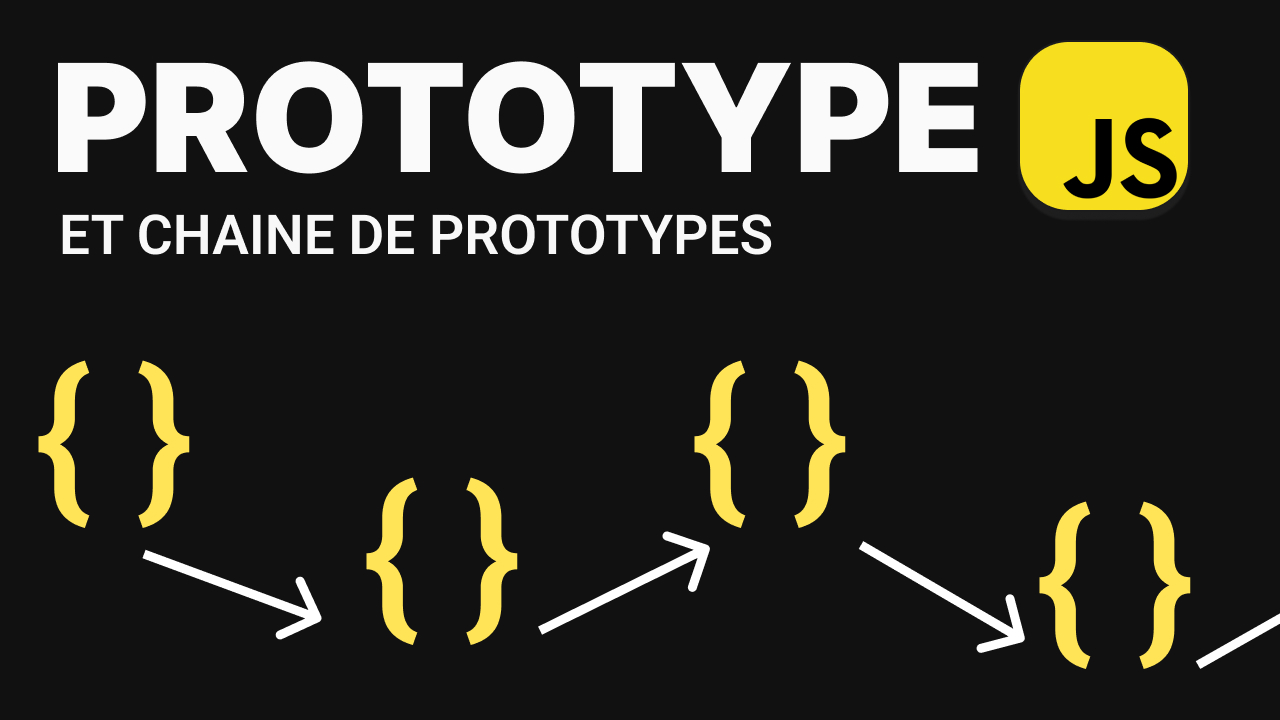
The Prototype Chain
const animal = { eats: true };
const rabbit = Object.create(animal);
rabbit.hops = true;

console.log(rabbit.eats); // true (from animal)
console.log(rabbit.hops); // true (own property)
Constructor Functions and Prototypes
function Person(name) {
  this.name = name;
}

Person.prototype.greet = function() {
  return `Hello, I'm ${this.name}`;
};

const john = new Person('John');
console.log(john.greet()); // "Hello, I'm John"
ES6 Classes (Syntactic Sugar)
Classes are just syntactic sugar over prototypes:
class Person {
  constructor(name) {
    this.name = name;
  }

  greet() {
    return `Hello, I'm ${this.name}`;
  }
}

// Under the hood, greet is added to Person.prototype
Inheritance with Prototypes
function Animal(name) {
  this.name = name;
}

Animal.prototype.eat = function() {
  return `${this.name} is eating`;
};

function Dog(name, breed) {
  Animal.call(this, name);
  this.breed = breed;
}

Dog.prototype = Object.create(Animal.prototype);
Dog.prototype.constructor = Dog;

Dog.prototype.bark = function() {
  return `${this.name} says woof!`;
};
Modern Best Practices
- Use ES6 classes for cleaner syntax
- Avoid modifying built-in prototypes
- Use Object.create() for prototypal inheritance
- Understand the prototype chain for debugging
Conclusion
Prototypes are JavaScript's inheritance mechanism. While ES6 classes provide cleaner syntax, understanding prototypes is essential for mastering JavaScript.
Comments (0)